***Potted Bareroot Stock, available in 90mm deep tubes. Ready for dispatch in mid-September***
Quercus lusitanica, commonly known as the Lusitanian Oak or Gall Oak, is a rarely grown but fascinating evergreen to semi-evergreen oak native to the Iberian Peninsula and parts of North Africa. Often forming a shrubby habit in the wild, this adaptable oak can also grow into a small tree under cultivation, especially with regular formative pruning. Its attractive foliage, resilience to dry conditions, and ability to thrive in diverse soils make it a valuable addition to Australian gardens, especially in Mediterranean or temperate zones.
Height and Spread
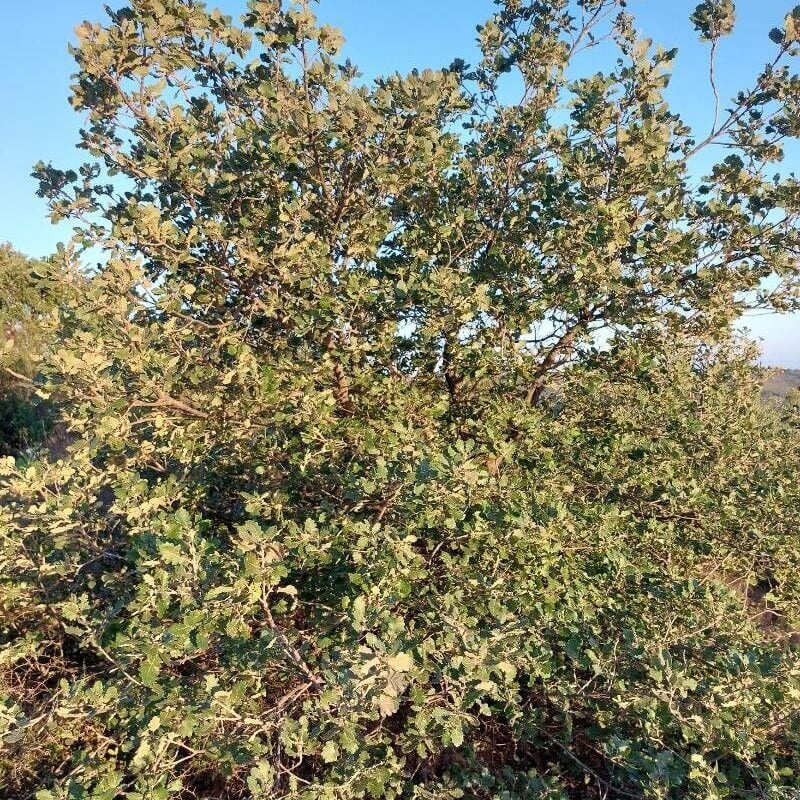
The Lusitanian Oak typically reaches a mature height of 4 to 8 metres, although some cultivated specimens can grow taller under ideal conditions. Its natural growth habit is shrubby and bushy, but with a strong leader and pruning, it can be trained into a small tree with a rounded crown. The spread is usually 3 to 6 metres, forming a dense, compact silhouette that offers useful screening and shade in smaller gardens or mixed plantings.
It’s worth noting that this species can also sucker from the base, especially if grown in woodland conditions. This makes it suitable for thicket planting, erosion control, or hedgerow applications, but the suckers can be pruned off if a single-trunked tree form is preferred.
Foliage and Appearance
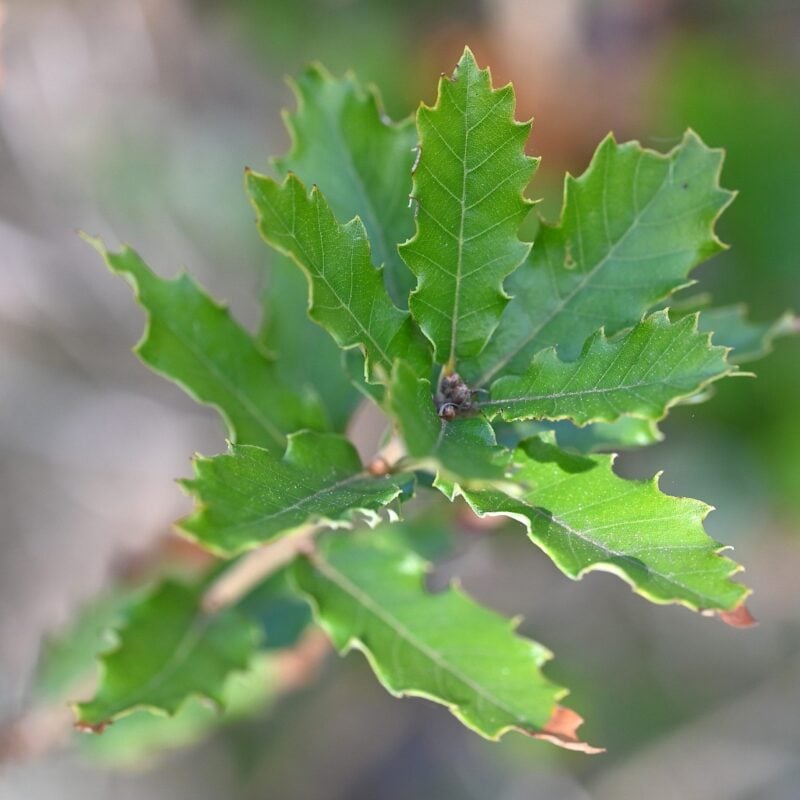
The foliage of Q. lusitanica is one of its most appealing features. The small, glossy green leaves have undulating or toothed edges and are often retained through winter in mild climates, giving it a lush presence year-round. In colder regions, it may lose more of its leaves in autumn but typically regrows quickly in spring.
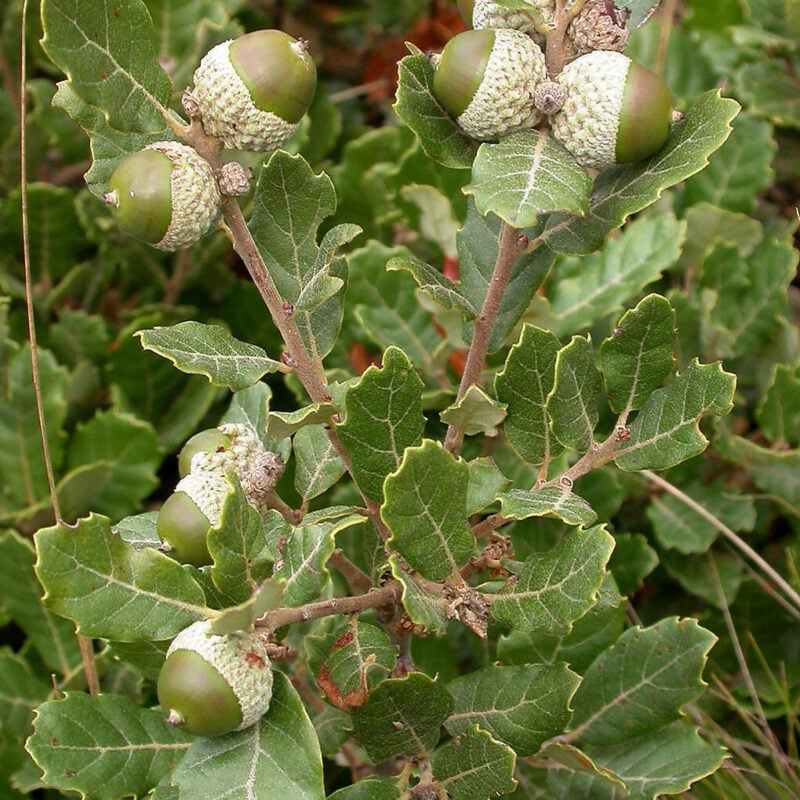
The bark becomes fissured and characterful with age, and the tree produces small acorns in scaled cups. Although not widely used in commercial landscapes, its ornamental qualities and resilience have begun to attract attention from rare plant collectors and climate-conscious gardeners.
Preferred Soil Type
This oak is highly adaptable and will thrive in a range of soils, provided they are well-drained. It prefers loamy or sandy soils, but it will tolerate clay if drainage is sufficient. In its native range, it often grows on dry hillsides and degraded soils, showing a strong ability to cope with poor fertility and drought.
To improve performance in heavier soils, incorporate organic matter at planting and avoid sites where water may pool in winter. Like many Mediterranean oaks, it dislikes prolonged root wetness and benefits from being planted slightly raised or on a slope.
Soil pH
Quercus lusitanica tolerates a wide range of soil pH, from slightly acidic to moderately alkaline. The ideal range is pH 6.0 to 7.5, but it has shown good adaptability to both calcareous and slightly acidic soils in Australian conditions.
This flexibility makes it a great choice for difficult garden spots or mixed plantings where pH may vary. Avoid soils that are extremely acidic (below pH 5.5), as this can lead to nutrient imbalances and poor root development over time.
Sunlight and Position
Plant Q. lusitanica in a full sun to part shade position. While it can tolerate some afternoon shade, especially in hotter inland areas, full sun ensures the best growth rate and densest foliage. Its naturally bushy form makes it suitable as a screen or hedge, but with space, it will grow into an attractive small specimen tree.
It is tolerant of wind, dry conditions, and moderate frost once established, making it suitable for a wide range of Australian climates, including coastal areas (if protected from salt spray) and dry inland zones.
Watering and Maintenance
Once established, Quercus lusitanica is very drought-tolerant, but young plants benefit from regular watering during their first two to three summers. Allow the topsoil to dry between waterings and avoid overwatering, especially in humid climates.
Mulch around the base with bark or leaf litter to retain soil moisture and suppress weeds. Prune lightly to shape in winter or early spring. If growing as a tree, remove lower branches and suckers as needed to develop a strong trunk and open canopy.
This oak rarely suffers from pests or diseases and requires minimal maintenance beyond occasional formative pruning.
The Lusitanian Oak is a hardy, water-wise, and attractive small tree or shrub suited to a wide range of Australian gardens. Whether grown for its ornamental foliage, tough constitution, or unique botanical appeal, it offers a rewarding and low-maintenance option for gardeners looking to diversify their landscape with a rare and climate-resilient oak species.





Reviews
There are no reviews yet.