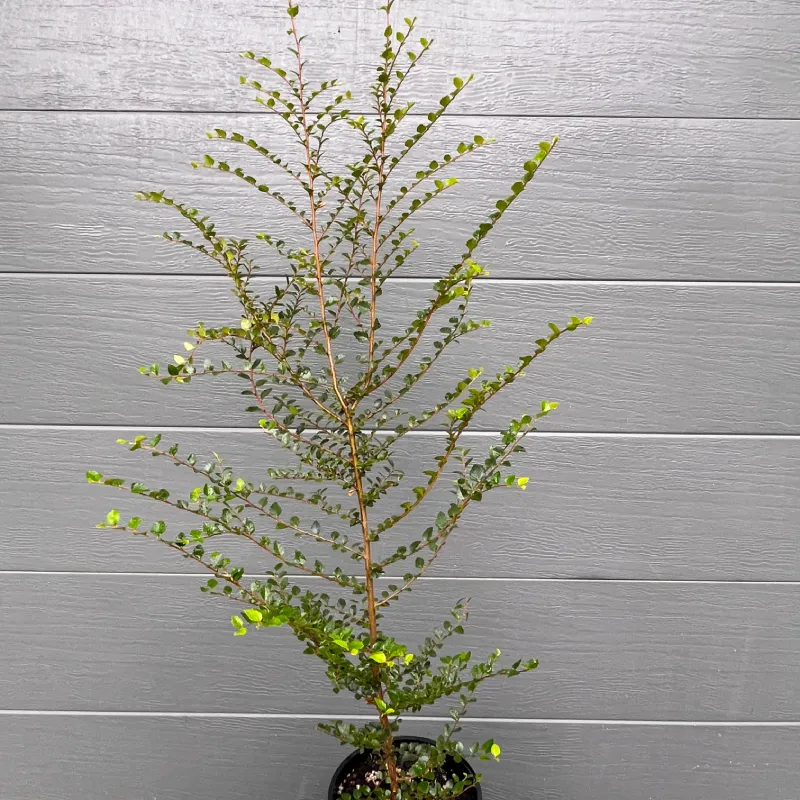
***Potted Bareroot Stock, available in 90mm deep tubes. Ready for dispatch in mid-September***
Quercus castaneifolia, commonly known as the Chestnut-leaved Oak, is a striking and stately deciduous tree from the Caucasus and northern Iran. It earns its name from its large, serrated leaves that resemble those of the sweet chestnut (Castanea sativa), offering a bold, ornamental quality that adds year-round interest to temperate gardens. This oak performs exceptionally well in Australian climates with cool to mild winters and warm summers, particularly where adequate moisture is available through the growing season.
A long-lived and resilient species, Quercus castaneifolia is well suited for use as a feature tree, shade tree, or part of an arboretum or avenue planting.
Height and Spread
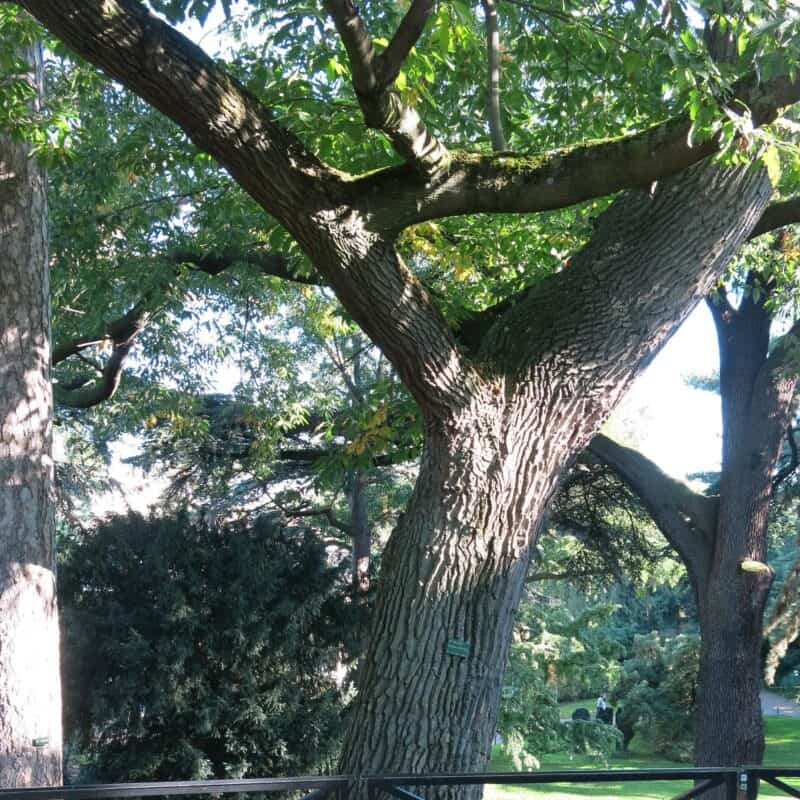
The Chestnut-leaved Oak is a large, fast-growing deciduous tree, reaching mature heights of 20 to 25 metres in favourable Australian conditions. In its native habitat, it can grow even taller, with some ancient specimens recorded over 35 metres high. It typically develops a broad, rounded canopy, with a spread of 12 to 18 metres, making it a superb shade provider in large gardens and open landscapes.
This oak’s strong central trunk and symmetrical form give it a classic and commanding presence. Young trees grow upright and fast, with more horizontal branching developing as they mature. Allow plenty of space when planting to accommodate its full spread and ensure good air circulation around the canopy.
Foliage and Seasonal Interest
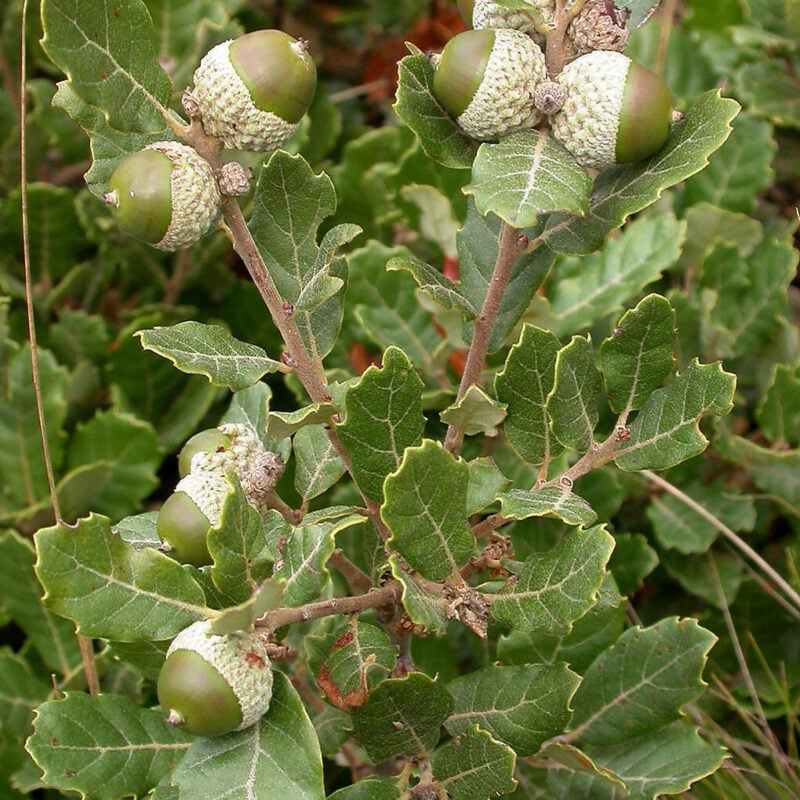
The leaves are the standout feature — large, dark green, and coarsely toothed, with a glossy surface and a chestnut-like silhouette. Autumn brings a show of rich yellows and golds, often holding colour late into the season before leaf fall.
Preferred Soil Type
Quercus castaneifolia prefers deep, fertile, well-drained soils. It thrives in loamy soils that are rich in organic matter but will also tolerate sandy loam or clay loam if drainage is adequate. While it appreciates moisture during the growing season, it does not cope well with waterlogging, particularly in winter. On heavy soils, consider improving drainage with compost or planting on a slight mound.
Its natural habitat includes moist mountain slopes and forest margins, so mimic these conditions by keeping the root zone cool and moist in summer, especially in drier inland areas.
Soil pH
This oak performs best in soils with a neutral to slightly acidic pH, ideally between 6.0 and 7.0. It tolerates mildly alkaline conditions but may show signs of chlorosis (yellowing leaves) in highly alkaline soils where iron uptake is limited. If your soil is naturally alkaline, add compost or organic mulches to improve nutrient uptake and microbial activity.
Conducting a pH test before planting is a wise move. If needed, apply sulphur to lower pH slightly or lime to raise it — but only in moderation and based on test results.
Sunlight and Position
Plant Quercus castaneifolia in a full sun position for best growth and form. It requires at least six hours of direct sunlight each day. While it can tolerate light shade in cooler regions, full sun exposure enhances foliage quality, autumn colour, and canopy development.
Choose a site protected from hot, drying winds while the tree is establishing. Once mature, the species is wind-firm and suited to open parkland and large gardens.
Watering and Maintenance
Although this species is drought-tolerant once established, it appreciates regular deep watering during the first 3–5 years, especially in dry summer months. Use mulch around the base of the tree to maintain soil moisture and suppress weeds, but keep mulch away from the trunk to prevent rot.
Minimal pruning is needed beyond the removal of dead or crossed branches. The strong structure and upright habit mean it generally maintains a tidy, well-balanced shape without intervention.
Fertilise in spring with a low-phosphorus, balanced fertiliser or composted manure to support healthy growth.
Quercus castaneifolia is a superb choice for gardeners and landscapers seeking a bold, deciduous shade tree with architectural foliage and seasonal interest. Its strong growth, adaptability, and resilience make it an excellent performer in many parts of Australia, especially in temperate regions.
Plant it where it has room to spread and time to grow — and enjoy a legacy tree that will grace the landscape for generations.








Reviews
There are no reviews yet.