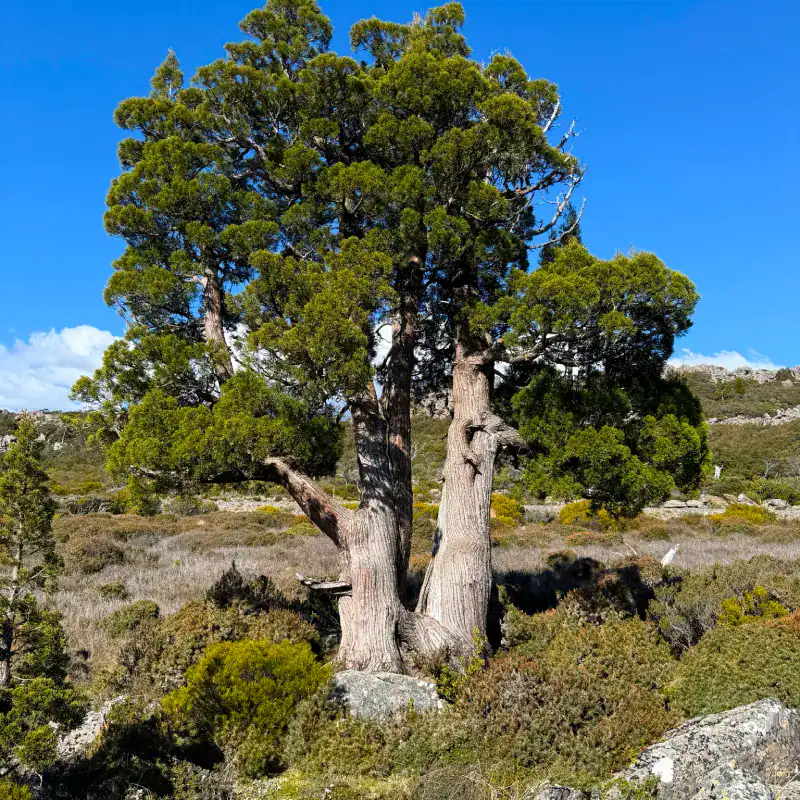
Pencil Pine (Athrotaxis cupressoides)
$39.95
Mainland stock is dispatched from the Southern Highlands. TAS, WA & NT orders are managed via our Plant Concierge.
- True Gondwanan Relict
- Glacial Growth Rate
- Clean-Origin Dispatch
- Endemic to Tasmania
Out of stock
This product is currently sold out.
No worries! Enter your email, and we'll let you know as soon as it's back in stock.
A Living Link to Gondwana
To plant the Tasmanian Pencil Pine (Athrotaxis cupressoides) is to take custodianship of one of the planet’s great relict conifers. Tracing its lineage back 145 million years to the supercontinent of Gondwana, this highly vulnerable sub-alpine species is defined by its glacial growth—often adding only 12mm of trunk diameter a year—and its refined, columnar cypress foliage. Tragic losses to fire have made it exceptionally rare in cultivation. For mainland collectors, we dispatch from Mittagong in the NSW Southern Highlands, a region free of key plant pests, allowing direct delivery to the Eastern States and ACT without additional treatment.
At a Glance
Pot Size: 140mm
Est. Plant Height: Approx. 40–50cm tall, measured from the base of the pot to the tip of the leader
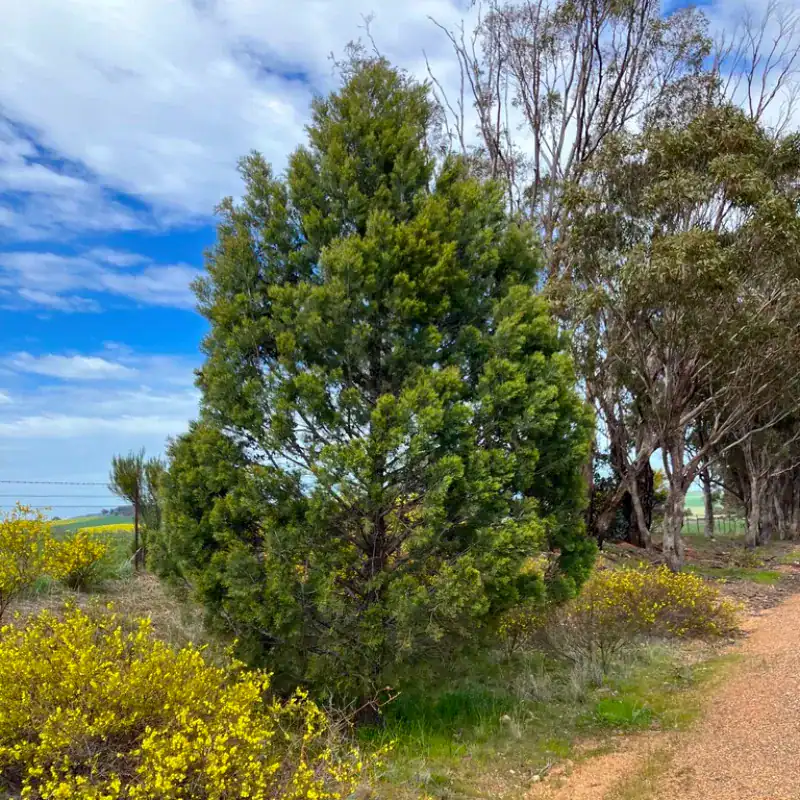
Growth Habit: Narrow, columnar; exceptionally slow-growing
Style: Heritage Landscape Specimen / Rare Collector Conifer
APPROXIMATE ACTUAL PLANT SIZE: 40–50CM TALL (IN A 140MM POT)*
*Heights are measured from the base of the pot to the tip of the leader. As these are glacial-growth plants, a specimen of this size already represents years of dedicated cultivation. Dispatched sizes may vary slightly, but every tree carries a deeply established root system.
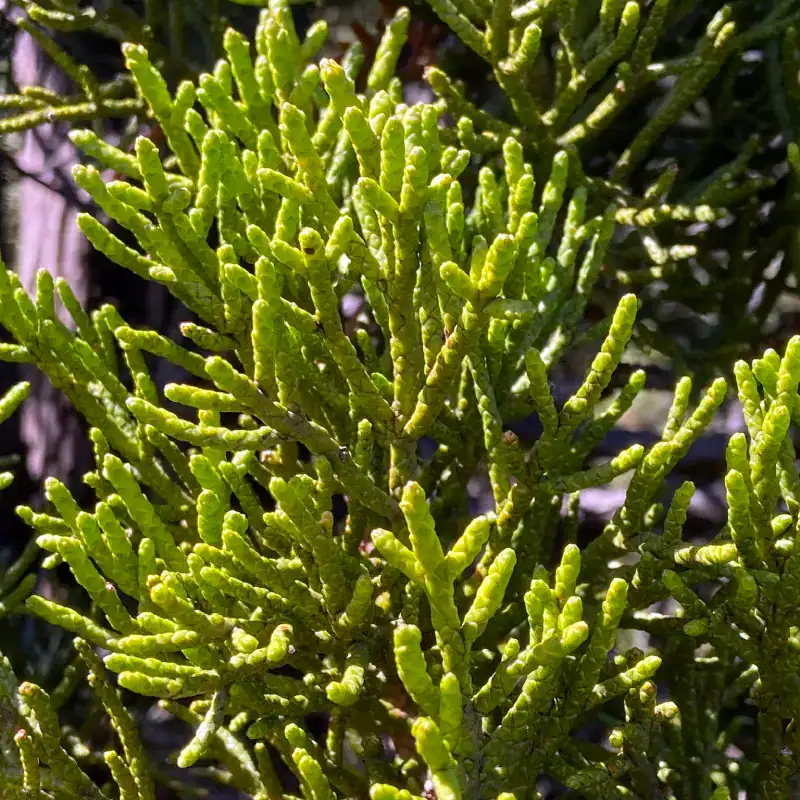
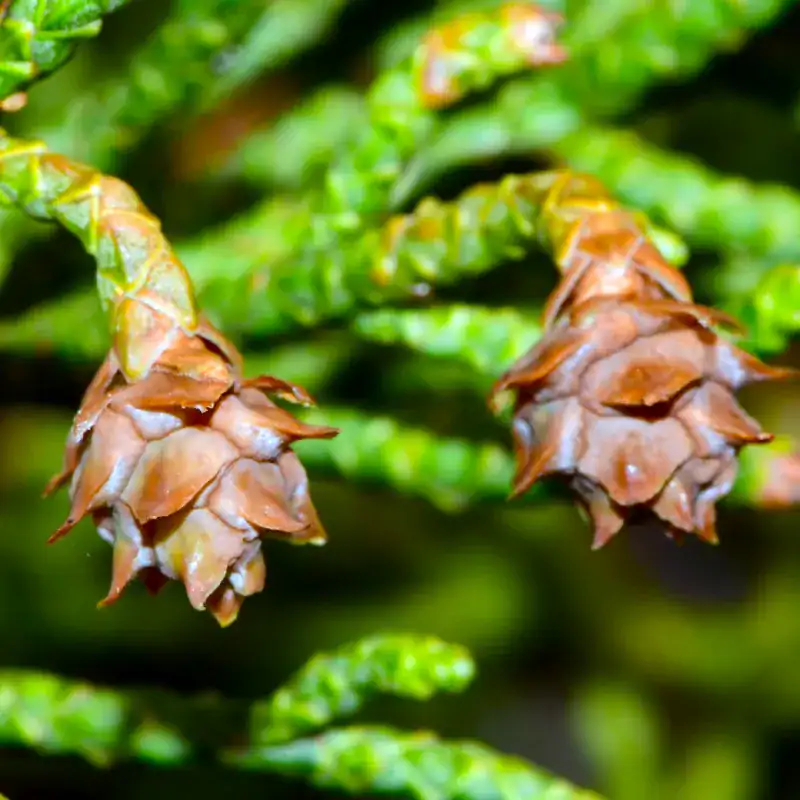
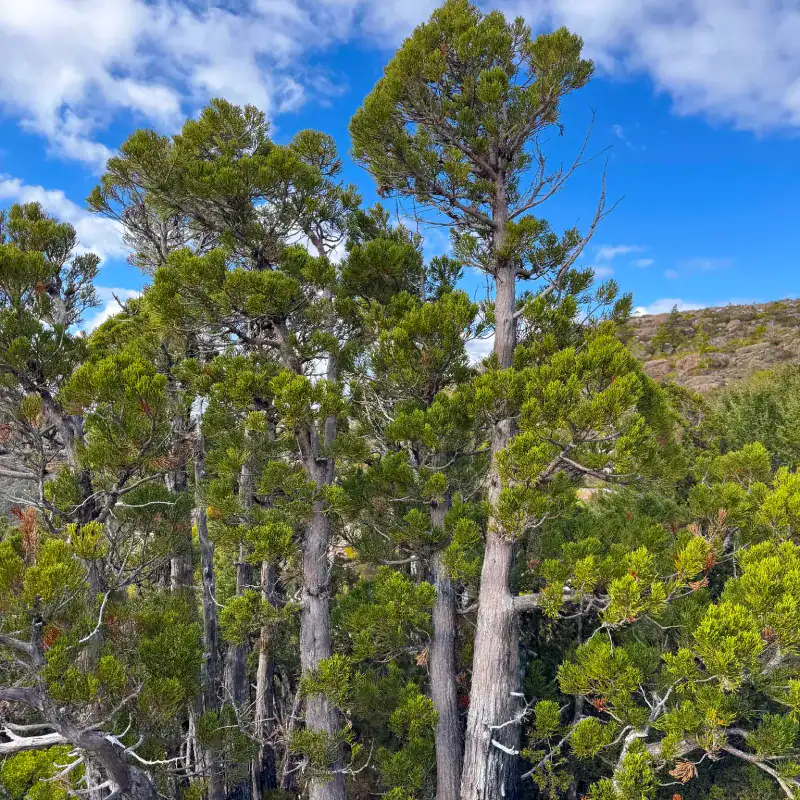
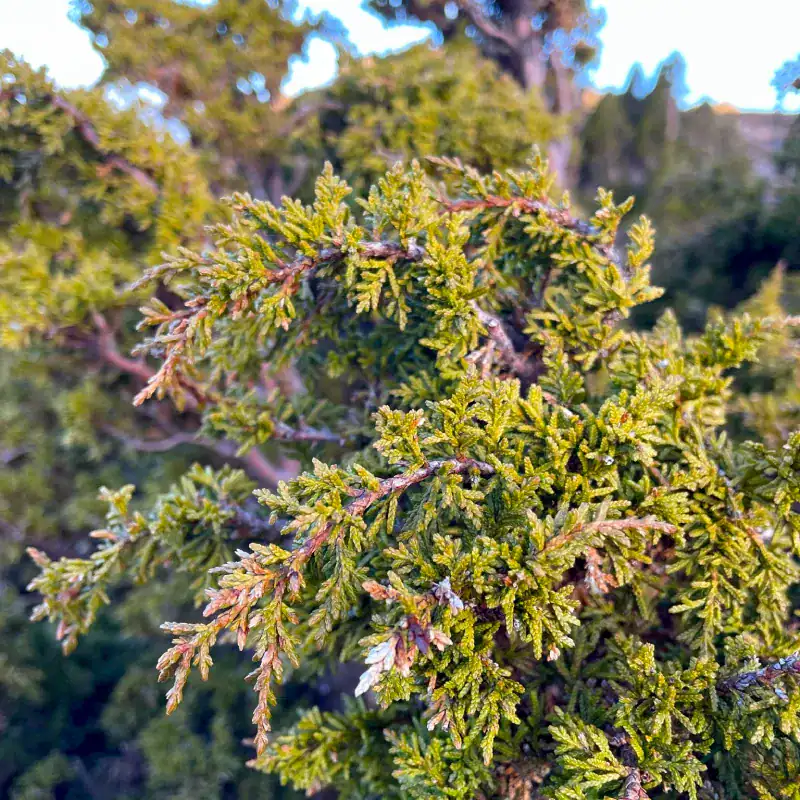
For the serious rare-plant collector and the cool-climate designer, the Pencil Pine (Athrotaxis cupressoides) is an acquisition of profound botanical gravity. Despite the common name, it is not a true pine at all. It is a member of the cypress family, wearing dense, scale-like foliage tightly arranged on a narrow, conical frame. In the wild, it is strictly confined to Tasmania’s sub-alpine zone, clinging to the fire-protected refugia around ancient tarns and high-altitude lakes.
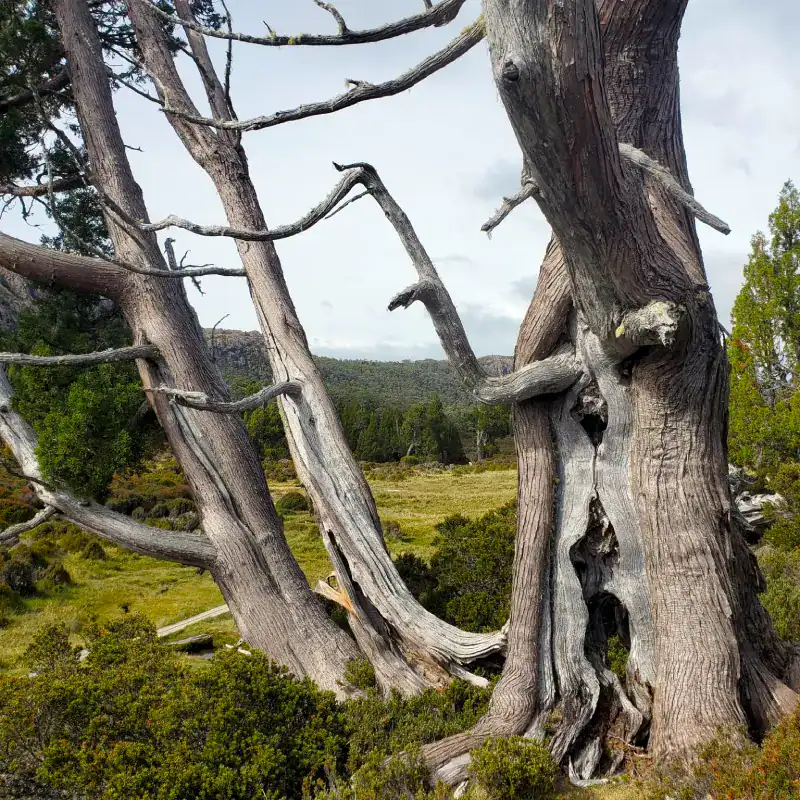
We believe in managing expectations with absolute clarity: this is one of the slowest-growing and longest-lived trees on Earth. Individual stems in the wild can exceed 1,000 years of age, pushing out a glacial 12mm of trunk diameter annually. A single metre-tall plant may already be decades old. This is not a tree you plant for rapid screening; this is a tree you plant for the next generation.
With a substantial portion of its pre-European range lost to devastating wildfires—to which it is acutely intolerant—the species is now listed as IUCN Vulnerable. To secure a legally propagated, genuine Tasmanian Pencil Pine is to engage in active conservation. It is an undeniable, living centrepiece for the temperate heritage garden.
- Glacial Growth: Adds mere millimetres of girth per year, offering a refined, permanent structural form that will never rapidly outgrow its designated space.
- Columnar Architecture: Develops a strict, narrow, and upright cypress habit, making it an exquisite vertical accent for precise cool-climate landscape designs.
- Gondwanan Lineage: A true evolutionary survivor tracing back 145 million years, offering an unparalleled botanical narrative for the serious collector.
- Conservation Value: Listed as IUCN Vulnerable due to severe fire intolerance in the wild; cultivation preserves this relict species for future generations.
Complete Your Gondwanan Collection
Pencil Pine (Athrotaxis cupressoides)
Mount Mawson Pine (Pherosphaera hookeriana)
Creeping Strawberry Pine (Microcachrys tetragona)
Celery-top Pine (Phyllocladus aspleniifolius)
$37.95 – $56.95Price range: $37.95 through $56.95Tasmanian Dwarf Pine (Diselma archeri)
Trusted by Gardeners Like You
Is this tree a true pine, and does it fall under WA/NT pine shipping bans?
How slow does the Pencil Pine actually grow?
What are its specific climate and soil requirements?
How is shipping handled for biosecurity zones?
Detailed Description and Specs
Endemic strictly to the pristine, high-altitude wilderness of Tasmania, the Pencil Pine (Athrotaxis cupressoides) is a living fossil. The Athrotaxis genus is a direct evolutionary line to the supercontinent of Gondwana, predating the break-up of the landmass some 145 million years ago. Today, it survives only in isolated, fire-protected sub-alpine refugia—often clustering around ancient glacial tarns and pristine lake shores above 800 metres.
Our mainland stock is grown to a verifiable standard of structural integrity, while our Tasmanian network supplies local demand directly. For mainland collectors, we dispatch from Mittagong in the NSW Southern Highlands, a region free of key plant pests, allowing direct delivery to the Eastern States and ACT without additional treatment. To cultivate this IUCN Vulnerable species is to step outside the timeline of a standard garden, anchoring your landscape with a tree capable of witnessing the next millennium.
Here’s why we think you’ll love the Pencil Pine:
- Species: Athrotaxis cupressoides (Pencil Pine)
- Provenance: Endemic to Tasmania’s sub-alpine refugia, grown from verified Gondwanan provenance stock
- Growth Rate: Glacial; among the slowest-growing and longest-lived trees on Earth
- Foliage: Dense, scale-like cypress foliage held tightly against the stem
- Best For: Rare plant collections, cool-temperate heritage landscapes, and conservation-focused cultivation
Care and Planting Guide
The Pencil Pine is an enduring relict, but its ancient evolutionary mechanisms require very specific conditions to thrive in cultivation.
- Sunlight & Location: Prefers cool, dappled sunlight or a sheltered full-sun position in cool-temperate zones. It must be protected from hot, dry summer winds, which can scorch the dense foliage.
- Soil & Drainage: Thrives in deep, humus-rich, peaty soils that retain moisture but offer adequate drainage. It mimics its natural lake-shore habitat when given consistent, cool soil conditions.
- Watering: Highly dependent on consistent moisture. Do not allow the root zone to dry out completely, particularly during the harsh summer months.
- Conservation Note: This species is acutely intolerant of fire. Its bark provides no insulation, and it does not recover from burning. Site carefully in a protected, fire-safe location within your landscape.
Shipping and Delivery
Eastern States (NSW, ACT, VIC, QLD, SA)
Eligible for standard shipping via our secure specialist plant freight network. We dispatch our mainland stock from Mittagong in the NSW Southern Highlands, a region free of key plant pests, allowing direct delivery to the Eastern States and the ACT without additional treatment.
Tasmania (TAS)
Due to strict Bass Strait biosecurity, standard mainland orders are handled through our Plant Concierge, which coordinates all mandatory treatment and inspection via a licensed specialist before shipping. And because we maintain a premium Tasmanian supplier network, we can often source a plant for you to collect directly from a local nursery in-state, avoiding Bass Strait freight entirely. Start your enquiry at Plant Concierge and we’ll tell you which route fits.
Western Australia & Northern Territory (WA & NT)
Shipping to WA and NT is handled through our Plant Concierge — a hand-guided pathway across the quarantine border. We prepare and correctly identify your plants, and a licensed quarantine specialist then carries out all mandatory treatments and inspections under your state’s protocol before they’re forwarded to you. This involves additional cost and a little planning. Start your enquiry at Plant Concierge — we’ll check what can cross before anything else happens.
Become a Custodian of the Alpine Relict
Shop More TreesRelated products
Mount Spurgeon Black Pine (Prumnopitys ladei)
$39.95 – $59.95Price range: $39.95 through $59.95