Persian Ironwood (Parrotia persica)
$119.95
Potted stock available late September 2026. Direct dispatch to Eastern States & ACT. TAS via Plant Concierge. Unable to ship to WA or NT.
- Potted — Late September
- 2nd Year Grade — Grown On
- Three-Season Ornamental Display
- Grown On At Mittagong
Out of stock
This product is currently sold out.
No worries! Enter your email, and we'll let you know as soon as it's back in stock.
 Secure Payments


Three Seasons. One Allocation.
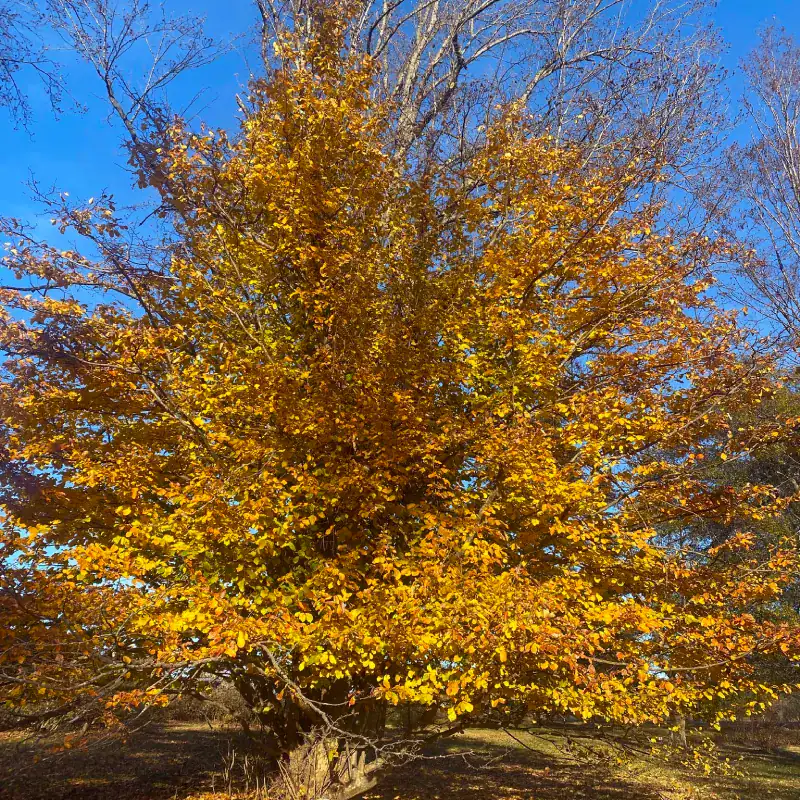
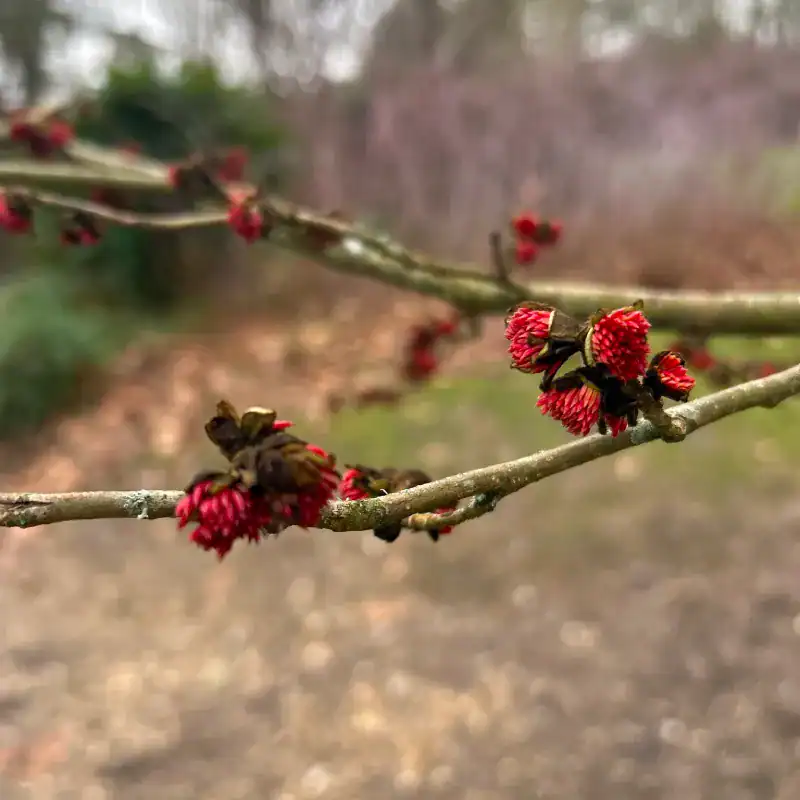
To acquire Parrotia persica as an established 250mm specimen is to take custody of one of the most ornamentally complete deciduous trees available in temperate horticulture. It earns its place in a serious collector’s garden through three completely distinct seasons of performance, not one. First, an autumn display of intense multi-tonal crimson, orange, and gold. Second, year-round exfoliating bark that reveals a stunning mosaic of cream, grey, and fawn on mature wood. Third, tiny crimson flowers erupt on bare stems in late winter, weeks before leaf emergence. Every specimen in this strictly limited allocation was field-grown to 2nd-year grade, lifted at full dormancy and potted on here at Mittagong to establish through spring. This is the crown jewel of the collection.
Pot Size: 250mm
Est. Plant Height: Approx. 120–130cm tall, measured from the base of the pot to the tip of the leader
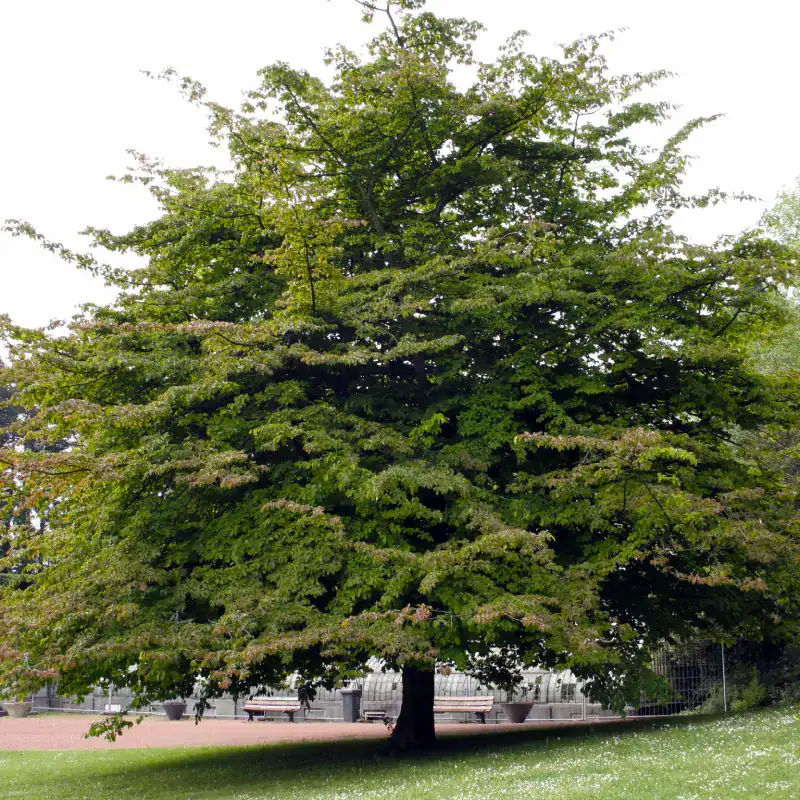
Mature Size: 6–12m height × 4–8m spread (moderate growth rate)
Growth Habit: Broadly spreading; can be trained as a multi-stem or single-leader
Style: Specimen Planting / Collector Gardens / Prestige Cool-Climate Landscapes
APPROXIMATE ACTUAL PLANT SIZE: 120–130CM TALL (IN A 250MM POT)*
*Heights are measured from the base of the pot to the tip of the leader. Dispatched sizes may vary slightly with seasonal growth, but every specimen carries an established root system ready for its next stage of development.
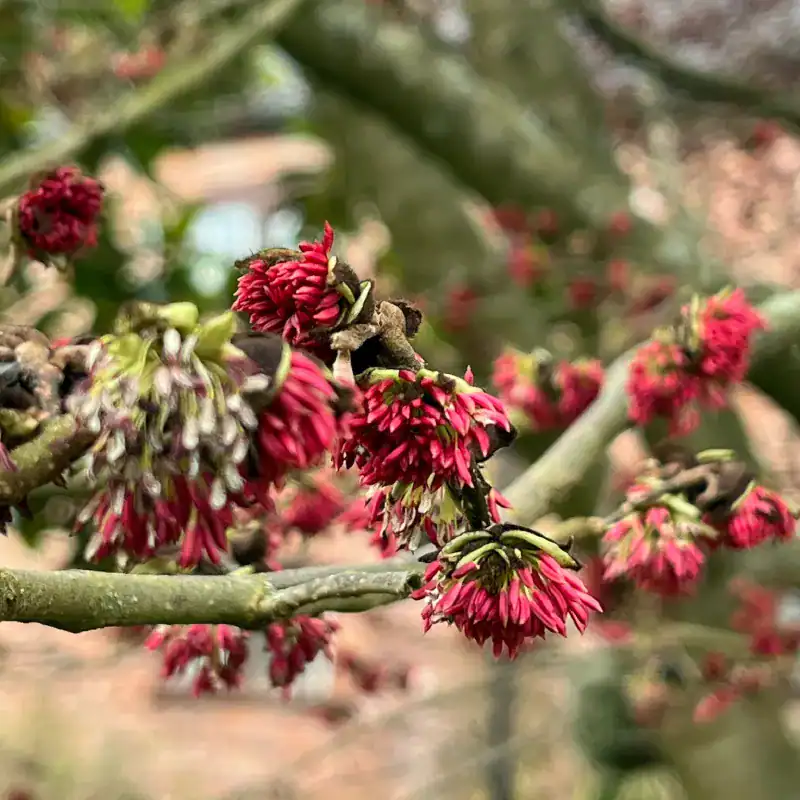
There is a moment in late winter, before almost anything else in the garden has stirred, when the Parrotia persica opens its flowers. They carry no petals — just a tight cluster of crimson stamens emerging from scaled buds along bare grey branches. Most gardeners walk past them; the ones who stop tend to become lifelong collectors of the species. Native to the cool, humid highland forests of the Alborz Mountains in northern Iran, the Persian Ironwood is arguably the finest all-season deciduous tree available in Australia.
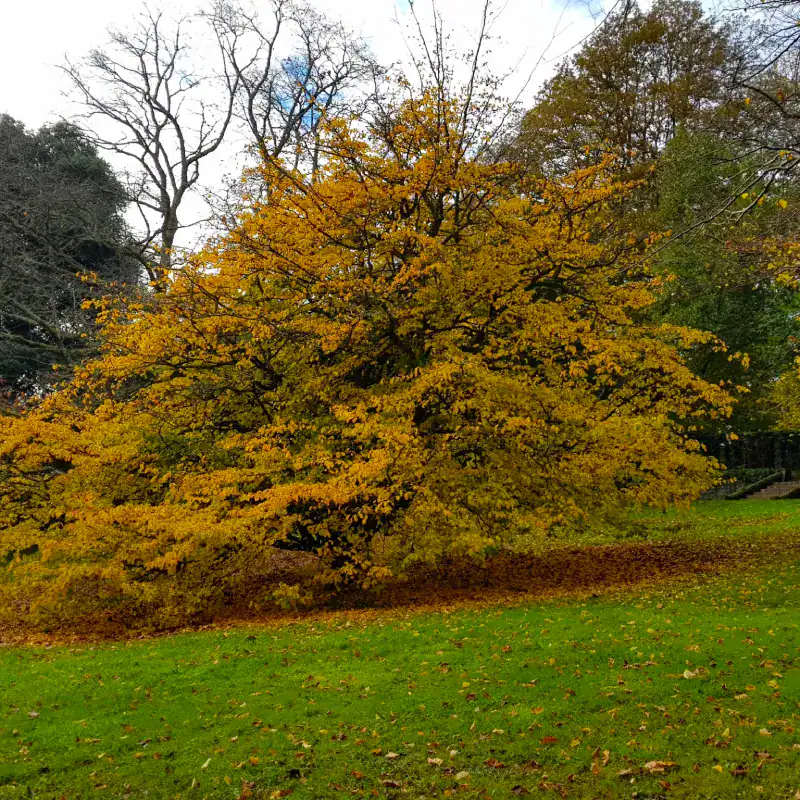
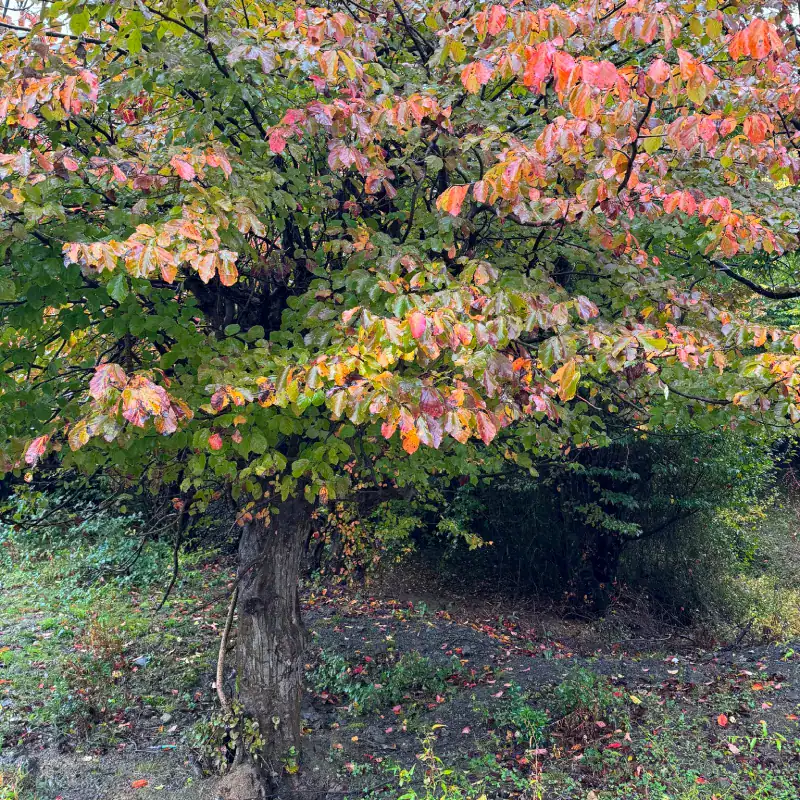
The autumn display is exceptional: a multi-tonal riot of burgundy, scarlet, orange, and gold appearing simultaneously on the same canopy, beginning earlier and holding longer than its contemporaries. As the tree matures, the bark begins to exfoliate in irregular plates, revealing a striking mosaic of cream, grey, olive, and warm tan beneath. This is a tree with a genuine, arresting presence across the full calendar year.
These specimens were field-grown to 2nd-year grade, lifted at full dormancy and potted on here at Mittagong. By release they will carry a full season of root establishment — the structural advantage of field production, without the narrow planting window that bare root demands. A strictly limited allocation, and a fleeting opportunity to secure a true botanical masterpiece.
- Three Ornamental Seasons: Multi-tonal autumn foliage, year-round exfoliating mosaic bark, and delicate crimson late-winter flowers. No other deciduous tree delivers across all three.
- 2nd Year Grade, Grown On: Supplied at the most developed stock grade in the 2026 Reserve. Field-grown root architecture, now established in a 250mm container with a full season of growth behind it.
- Extreme Scarcity: Parrotia is rarely produced by Australian growers at this grade. This is our entire 2026 allocation, and it will not be restocked this season.
- Cool-Climate Prestige: Thrives in the Southern Highlands, ACT, VIC, and TAS highlands, where genuine winter chilling hours drive its spectacular autumn colour saturation.
Complete Your Collection
Persian Ironwood (Parrotia persica)

Tulip Tree (Liriodendron tulipifera)

Sugar Maple (Acer saccharum)
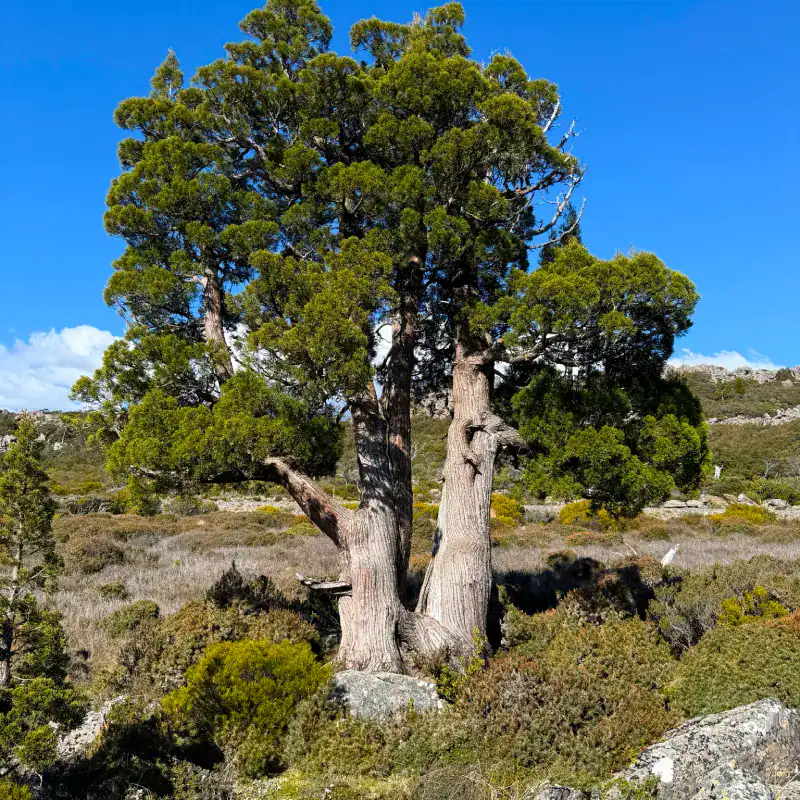
Pencil Pine (Athrotaxis cupressoides)
Trusted by Gardeners Like You
Why does Parrotia persica cost more than other species in this collection?
Is it actually a Witch Hazel?
My Parrotia arrived dormant with no leaves. Is that normal?
Is Parrotia persica suited to my climate?
Can I ship this to Tasmania, Western Australia, or the Northern Territory?
What's the difference between the bare root and potted stock?
Detailed Description and Specs
Parrotia persica — the Persian Ironwood — is native to the Alborz mountain range of northern Iran, where it inhabits cool, humid highland forest along the southern shores of the Caspian Sea. The name “Ironwood” refers to the exceptional density and hardness of its mature timber, a botanical detail that speaks to the species’ long-lived, structurally robust character.
In cultivation, it forms a broadly spreading tree or large multi-stemmed specimen, depending on training, typically reaching 6–12m in height with a canopy spread of 4–8m over several decades. Growth rate is moderate — this is not a quick-impact species, but one whose ornamental value deepens year on year as the exfoliating bark develops and the canopy broadens.
Our 2026 allocation was field-grown to 2nd-year grade, lifted at full dormancy and potted on at Mittagong to establish through spring. We dispatch from Mittagong in the NSW Southern Highlands, a region free of key plant pests, allowing direct delivery to the Eastern States and the ACT without additional treatment.
- Species: Parrotia persica (Persian Ironwood / Persian Witch Hazel)
- Growth Rate: Moderate — ornamental value deepens progressively over decades.
- Autumn Colour: Multi-tonal — crimson, scarlet, orange, and gold simultaneously.
- Bark: Exfoliating in irregular plates revealing cream, grey, olive, and warm tan.
- Flowers: Petal-less crimson clusters on bare stems, late winter.
- Best For: Specimen planting, prestige landscape design, and long-term custodian planting.
Care and Planting Guide
Parrotia persica is a resilient tree once established, provided its core requirements are met from the outset.
- Sunlight & Location: Full sun to part shade. Performs best in cool-temperate zones (Southern Highlands, ACT, VIC, and TAS). Autumn colour saturation is significantly enhanced by genuine winter chilling hours. Shelter from harsh, desiccating winds is beneficial.
- Soil & Drainage: Adaptable to a range of soils, including loam and slightly clay-heavy sites, provided drainage is adequate. Avoid waterlogged or compacted sites — the fine root system is intolerant of prolonged saturation.
- Watering: Consistent moisture during the first two full growing seasons is essential. Once established, it demonstrates good drought tolerance. Water thoroughly on arrival and again once the tree is in the ground.
- Pruning: Minimal intervention required. Parrotia develops its characteristic broadly spreading form naturally and resents heavy structural pruning. Remove any dead or crossing wood in late winter once dormancy is fully established. For complete planting and establishment guidance, see our full guide in the Journal: How To Plant Bare Root Trees In Australia.
Shipping and Delivery
shipping_and_delivery
Potted Stock — Available Late September 2026
These trees are being grown on at our Mittagong nursery and will be released in late September, established and ready to plant. Join the waitlist above, and you will be notified the moment stock goes live.
Eastern States (NSW, ACT, VIC, QLD, SA)
Eligible for standard shipping via our secure specialist plant freight network. We dispatch from Mittagong in the NSW Southern Highlands, in a region free of key plant pests — which lets us send most species directly to the Eastern States and the ACT without additional treatment.
Tasmania (TAS)
Tasmanian orders are handled through our Plant Concierge, which coordinates all Bass Strait biosecurity treatment and inspection via a licensed specialist before your plants are forwarded to you. Start your enquiry at Plant Concierge.
Western Australia & Northern Territory (WA & NT)
We are unable to ship this species to Western Australia or the Northern Territory. At 120–130cm tall, these specimens require a carton longer than the maximum permitted on the quarantine pathway to those states. If you are in WA or NT, we can help you identify a suitable alternative from our range — start an enquiry at Plant Concierge.
Lord Howe Island & Norfolk Island
We are unable to ship to Lord Howe Island or Norfolk Island under any circumstances.
Join the Waitlist For Your Allocation
Shop More TreesRelated products

Black Cypress Pine (Callitris endlicheri)
$34.95 – $54.95Price range: $34.95 through $54.95