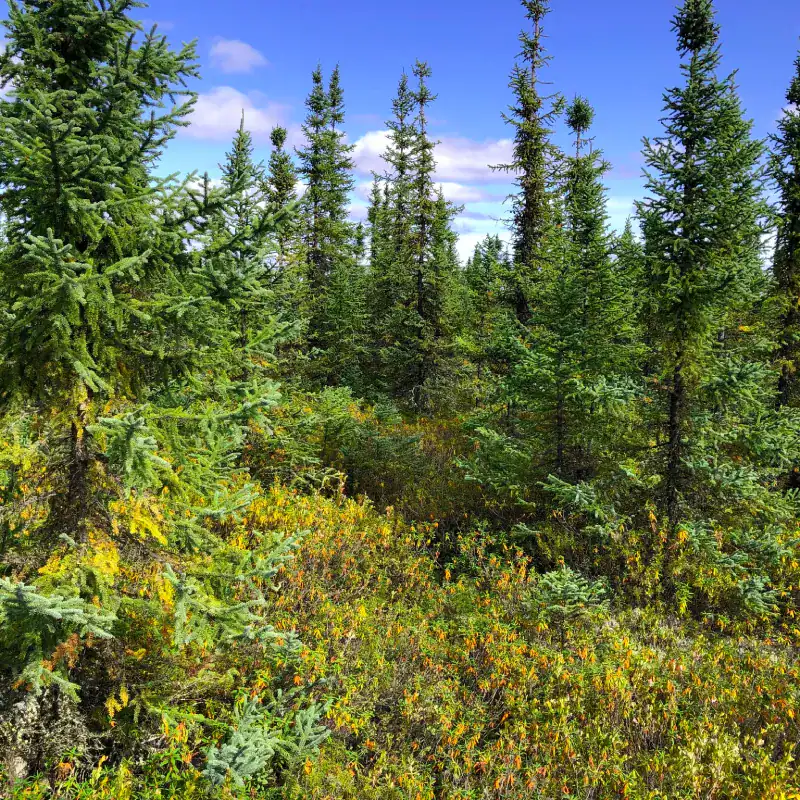
Pinus strobus, commonly known as the Eastern White Pine, is a tall, graceful conifer native to eastern North America. With its soft, blue-green needles and airy, layered branching structure, it brings elegance and texture to both naturalistic and formal landscapes. This pine is well-suited to temperate areas of Australia, particularly regions with cool winters and mild to moderate summers. In the right environment, Pinus strobus makes an excellent specimen tree, windbreak, or feature in arboretums and conifer collections.
Tree Height and Spread
In its native habitat, Pinus strobus is one of the tallest pines, often reaching heights of 30 to 50 metres or more. In cultivation in Australia, especially outside of ideal North American conditions, it typically grows to a height of 15 to 25 metres over several decades, depending on site and care.
Its spread is generally 6 to 10 metres, with branches arranged in regular whorls around the trunk. These horizontal branches produce a layered, symmetrical look that is characteristic of the species. The soft needles, which appear in clusters of five, give the tree a fine, feathery appearance, making it stand out among other conifers.
Due to its eventual size, Eastern White Pine is best suited to large gardens, parks, farms, or rural properties. However, when young, it has a narrow and manageable form, which makes it a popular choice in landscape design.
Preferred Soil Type
Pinus strobus grows best in well-drained, loamy soils enriched with organic matter. It performs well in sandy or loamy soils but struggles in heavy clay or compacted ground. Adequate drainage is essential, as prolonged waterlogging can lead to root rot or other health issues.
Before planting, prepare the site by digging in compost or aged manure to improve soil structure and nutrient content. Though it’s relatively adaptable, better soil preparation will lead to more vigorous growth and improved drought tolerance over time.
Mulching around the base of the tree with pine bark, compost, or leaf litter helps to retain moisture, regulate soil temperature, and suppress weeds.
Ideal pH Range
Eastern White Pine prefers slightly acidic to neutral soils, ideally with a pH between 5.5 and 6.5. It can tolerate mildly acidic conditions quite well and may struggle in strongly alkaline soils.
If you are unsure about your soil’s pH, it’s worth conducting a soil test before planting. If the pH of your soil is too high, you can increase its acidity by adding materials such as compost, manure, leaf litter, and mulch. Iron chelates can also be effective. In more severe cases, consider using powdered sulphur. Apply one handful per square meter, once a year. Keep in mind that sulphur acts slowly, and it may take about six months before you notice a change in the pH.
Light Requirements
Pinus strobus grows best in full sun, where it can receive at least six hours of direct sunlight per day. It will tolerate partial shade in its early years but needs good light to develop a strong, upright form and dense branching.
When planted in shade, it may grow leggy or sparse, with fewer lower branches. Full sun also helps the tree resist disease and maintain vibrant needle colour.
Watering and Maintenance
Young Eastern White Pines require regular watering during the establishment period, typically the first two years. Water deeply and consistently, particularly during dry spells, to encourage deep root development.
Once established, Pinus strobus is moderately drought tolerant but will still benefit from occasional deep watering during extended dry periods, especially in sandy soils. Avoid shallow, frequent watering, which can encourage surface roots and reduce drought resistance.
This species is generally low-maintenance and doesn’t require regular pruning. If needed, prune lightly in winter to remove any dead, damaged, or awkwardly placed branches. Avoid cutting into the central leader, as this may distort the tree’s natural shape.
Pests and Diseases
In its native range, Eastern White Pine can be susceptible to white pine blister rust and weevils. These are less common in Australia, but it’s still a good idea to keep an eye out for signs of fungal disease, tip dieback, or borers, particularly in warmer or humid areas. Planting in an open, well-ventilated position can reduce the risk of fungal issues.
Pinus strobus is a beautiful, stately conifer with soft, elegant foliage and a naturally layered form. Ideal for cool to temperate regions of Australia, it offers year-round visual interest, wind protection, and habitat for birds and other wildlife. With proper soil preparation, good drainage, and adequate sun, Eastern White Pine will thrive for generations, making it a long-term investment in the beauty and biodiversity of your landscape.





Reviews
There are no reviews yet.