West Himalayan Spruce (Picea smithiana)

$49.95

We added you to this product's waitlist and we'll send you an email when the product is available.

Leave Waitlist

This product is currently sold out.

No worries! Enter your email, and we'll let you know as soon as it's back in stock.

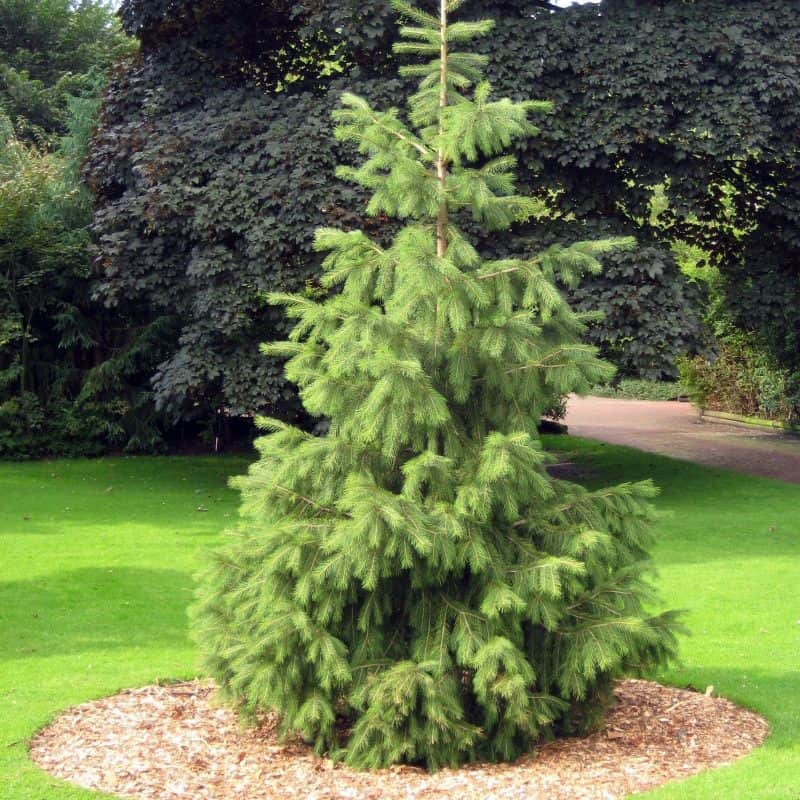
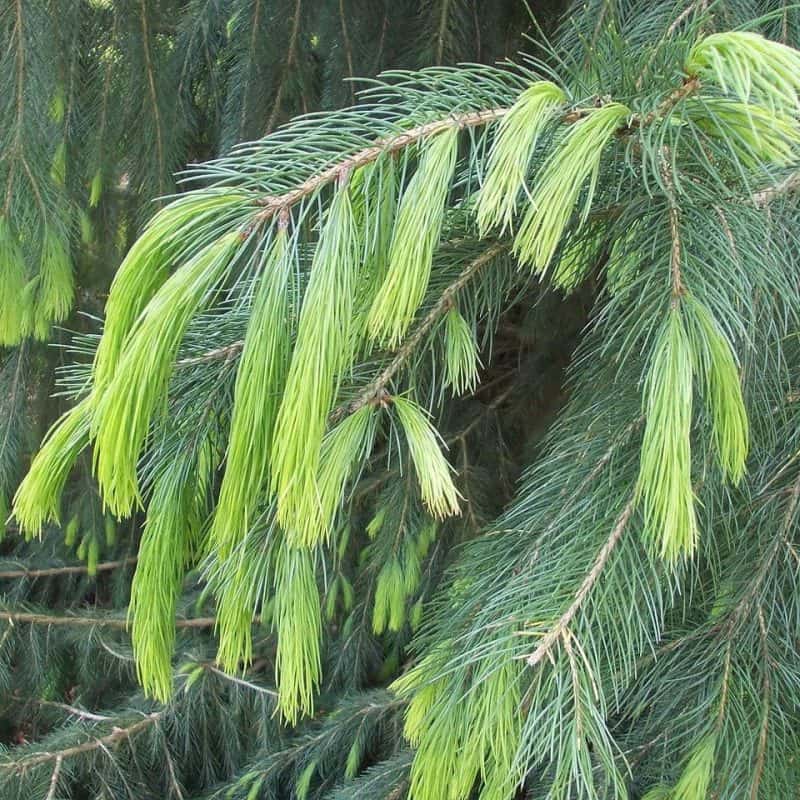
Picea smithiana, commonly known as the West Himalayan Spruce or Morinda Spruce, is an elegant conifer native to the western Himalayan region. Its natural range is from northeast Afghanistan, northern Pakistan and India to central Nepal. It grows at 2,400-3,600 m altitudes in forests with deodar cedar, blue pine and Pindrow fir. It is renowned for its graceful, pendulous branches and soft, long needles, making it a beautiful addition to landscapes and gardens.

Tree Height and Spread: The West Himalaya Spruce is a large tree that typically reaches 30 to 60 meters in its natural habitat. However, when cultivated in gardens and landscapes, it usually grows to a more manageable height of 15 to 25 meters. The tree’s spread is generally between 6 and 9 meters in length, forming a narrow, conical shape that becomes broader with age. Its branches are characteristically pendulous, giving the tree a weeping appearance.

Preferred Soil Type and pH: Picea smithiana thrives in well-drained soils with good moisture retention. It prefers fertile, loamy soils that are rich in organic matter. This spruce can tolerate a range of soil types, including sandy and clay soils, but it performs best in soils that are slightly acidic to neutral, with a pH range of 5.5 to 7.0. Regular soil testing can help ensure the pH is optimal for healthy growth. Incorporating organic matter such as compost can improve soil structure and fertility, benefiting the tree’s overall health.

Climate and Environmental Requirements: This species is well-suited to temperate climates and is commonly found in the montane and subalpine zones of the Himalayas. It prefers cool to cold temperatures and thrives in areas with reliable moisture and well-defined seasons. The West Himalaya Spruce is hardy in USDA zones 6 to 8 and can tolerate light frost and occasional snow. It requires adequate sunlight to thrive, preferring locations with full sun exposure, but can also tolerate light shade.

Light Requirements: Picea smithiana prefers full sun but can tolerate partial shade, especially in warmer climates. Exposure to direct sunlight promotes optimal growth and encourages the tree to develop its characteristic form. Providing the tree with at least 6 hours of sunlight daily ensures vigorous growth and maintains its attractive appearance.

Watering and Fertilising: Proper watering is essential, especially during the tree’s establishment phase. The soil should be kept consistently moist but not waterlogged. West Himalaya Spruce prefers regular watering, particularly during dry periods, to maintain healthy growth. Once established, it becomes more drought-tolerant but still benefits from supplemental watering during prolonged dry spells.

Fertilisation is generally not required if the tree is planted in nutrient-rich soils. However, a balanced, slow-release fertiliser in spring can support healthy growth, especially in nutrient-poor soils. Care should be taken not to over-fertilise, as excessive nutrients can lead to imbalances and affect the tree’s overall health.

Pruning and Maintenance:  Picea smithiana typically requires minimal pruning to maintain its natural form. Dead, damaged, or diseased branches should be removed to promote healthy growth and support the tree’s appearance. Pruning is best carried out during the dormant season in late winter or early spring to minimise stress on the tree. Avoid heavy pruning, which can negatively impact the tree’s shape and growth.

Propagation: The West Himalayan Spruce is primarily propagated through seeds. The seeds are contained within small, woody cones, which mature and release the seeds in late summer or early fall. Seed propagation requires stratification to break dormancy and improve germination rates. Additionally, young trees can be propagated from cuttings, though this method can be more challenging and requires specific conditions for successful rooting.

Uses: Picea smithiana has several uses, including ornamental landscaping, windbreaks, and reforestation projects. It is valued for its graceful weeping branches and soft, long needles, which add visual interest to gardens and landscapes. Additionally, the tree provides shelter and food for various wildlife species, including birds and small mammals.

Picea smithiana, the West Himalaya Spruce, is a magnificent and versatile tree that adds beauty and character to gardens and landscapes. Whether grown for its ornamental value, as a windbreak, or for reforestation, it is a valued addition to diverse environments. Providing the right growing conditions, including well-drained soil, adequate moisture, and full sun exposure, ensures the health and vitality of this unique Himalayan conifer.

Reviews

There are no reviews yet.

Only logged in customers who have purchased this product may leave a review.

RELATED PRODUCTS