Height and Spread
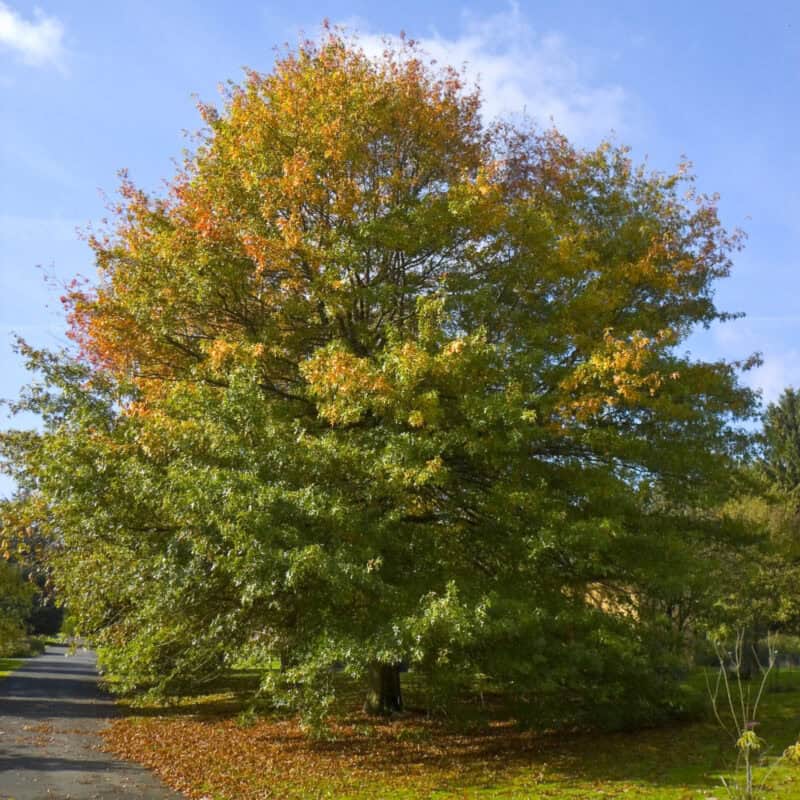
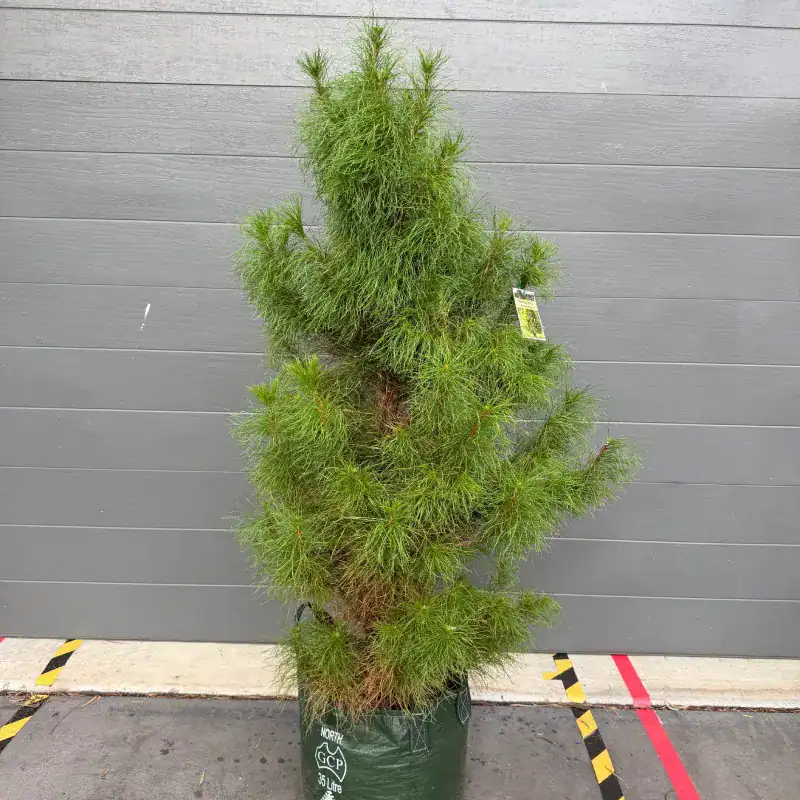
The Pin Oak is a medium to large deciduous tree that typically grows to a height of 15 to 25 metres, although it can reach 30 metres in ideal conditions. It has a strong central leader and a pyramidal shape when young, gradually developing a broad, domed crown with age.
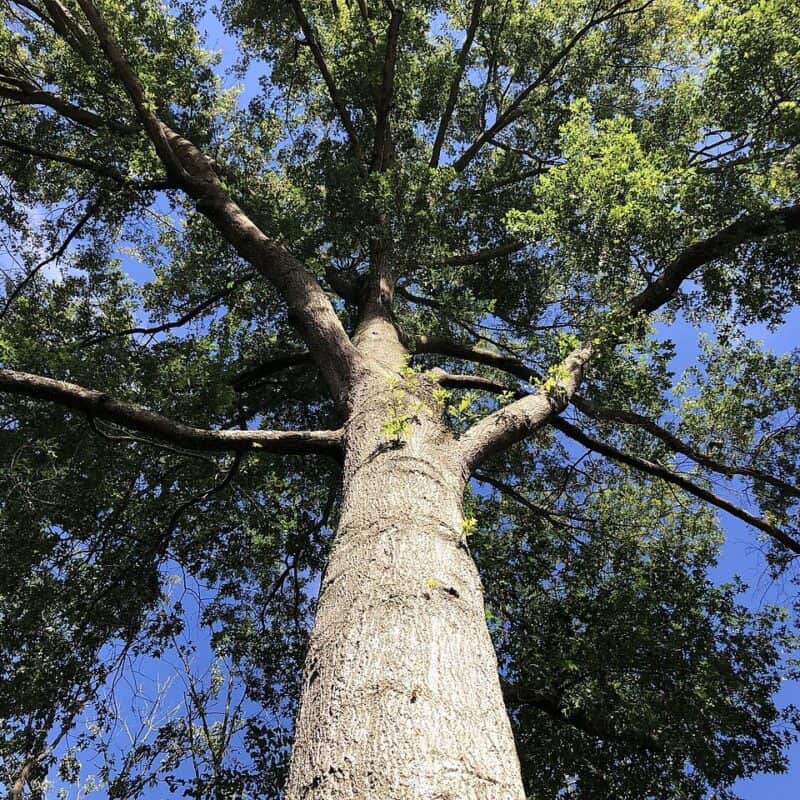
Its canopy can spread 10 to 15 metres, so it’s best planted where it has ample room to develop its elegant structure. The branching habit is quite distinctive: upper branches angle upwards, middle branches grow horizontally, and lower limbs droop toward the ground, creating a tiered, architectural form.
Foliage and Seasonal Appeal
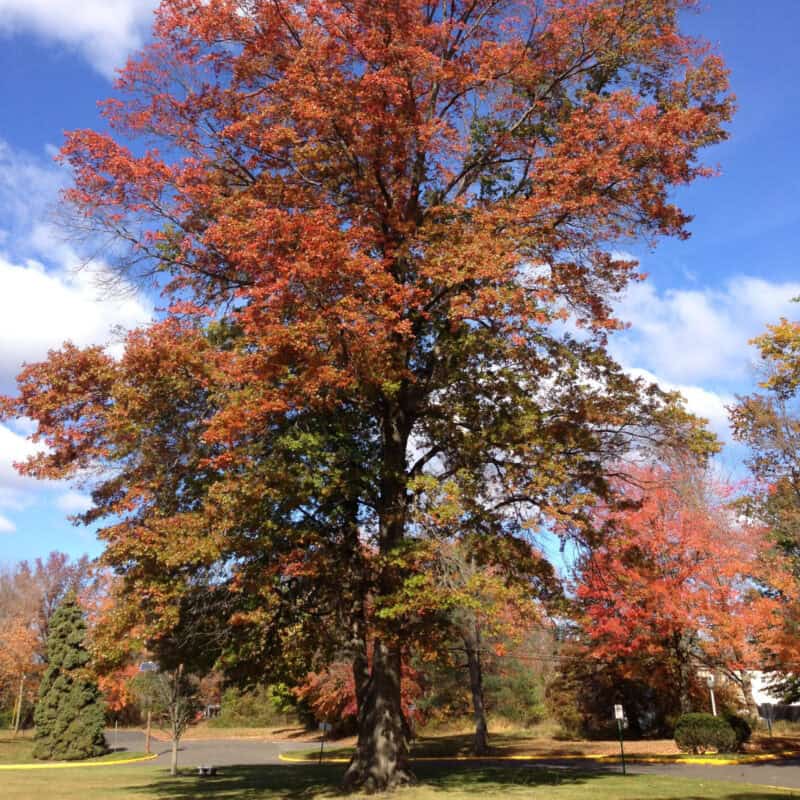
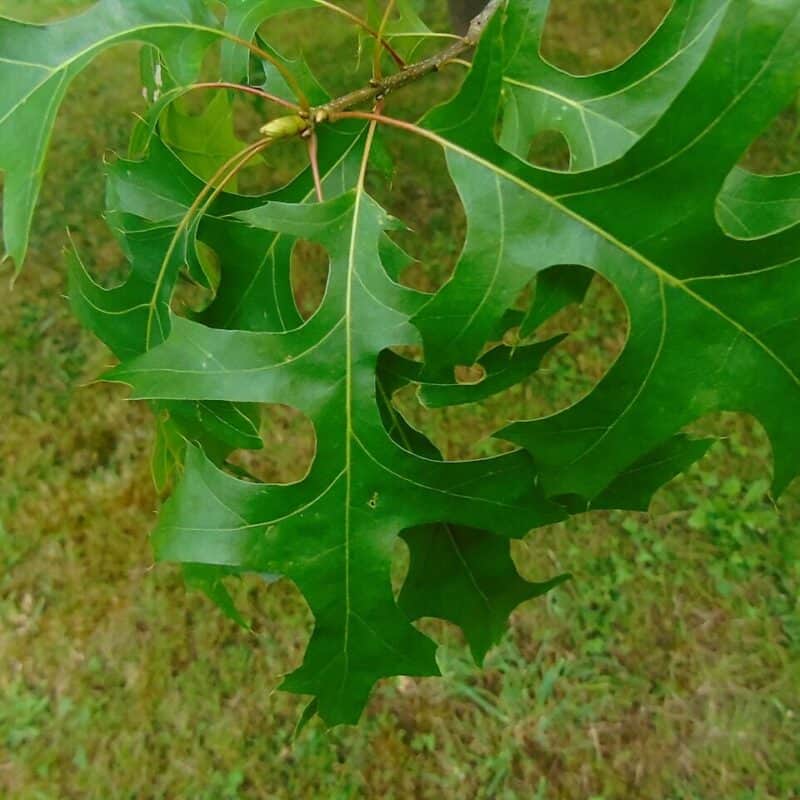
Pin Oak’s foliage is one of its main attractions. The deeply lobed, glossy green leaves provide dense summer shade, then shift to vibrant shades of scarlet, crimson, or bronze in autumn. In some climates, the tree may hold onto its dried brown leaves into winter — a trait known as marcescence — adding further seasonal interest.
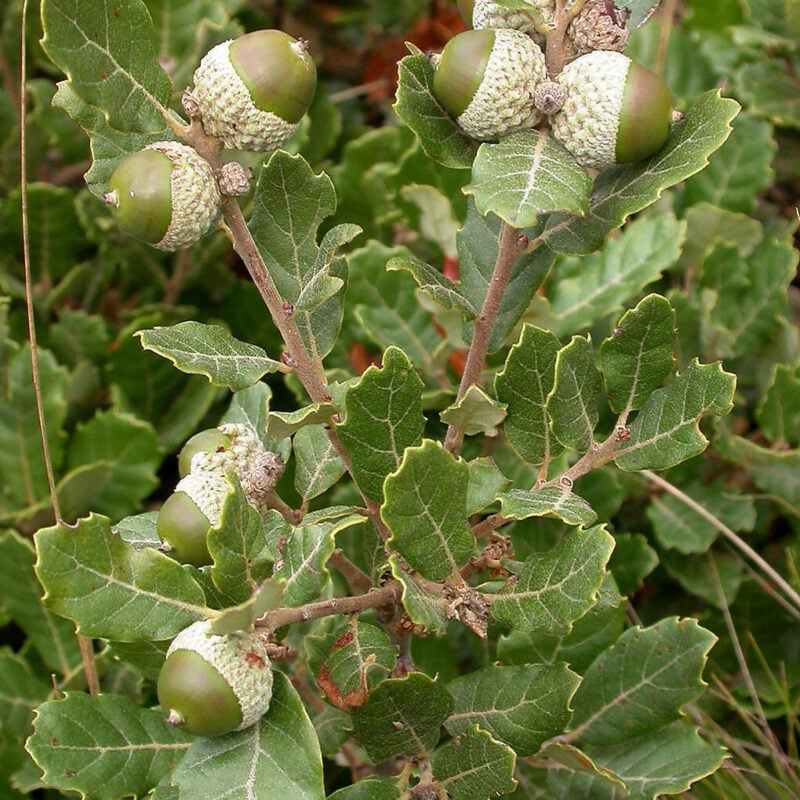
Its small, rounded acorns are produced in autumn and attract native birds and wildlife.
Preferred Soil Type
Despite the name “palustris,” which refers to marshy places, Pin Oak is not limited to swampy soils. It prefers moist, well-drained, fertile loams but also tolerates clay soils, as long as they are not too compacted or alkaline.
In Australia, it performs well in temperate regions with regular rainfall or supplementary irrigation during dry spells. In heavier soils, you can improve drainage at planting by raising the planting area slightly and working in composted organic matter.
Soil pH
One of the most important considerations when planting a Pin Oak is soil pH. This species prefers acidic to neutral soils, ideally with a pH of 5.0 to 6.5. In alkaline soils (above pH 7.0), Pin Oak is highly susceptible to iron chlorosis, a condition that causes the leaves to turn yellow with green veins due to poor nutrient uptake.
If your soil tends toward alkalinity, it’s worth conducting a pH test before planting. You can lower soil pH over time with elemental sulphur, pine bark mulch, or iron chelates, but it’s best to select a naturally acidic site for long-term health and appearance.
Sunlight and Position
Pin Oak thrives in full sun, requiring at least six hours of direct light per day to maintain its strong shape and vibrant foliage. It tolerates partial shade but will be less dense and more prone to form irregular branching.
Choose a position with adequate space for canopy development and ensure it’s not too close to buildings, paving, or infrastructure, as the root system can become extensive with time.
Watering and Maintenance
Pin Oaks are moderately drought-tolerant once established, but young trees require regular watering during the first few summers to develop a deep, resilient root system. Mulch well around the base to conserve moisture, reduce weed competition, and maintain cooler soil temperatures in summer.
Once established, they’re low-maintenance. Avoid planting in alkaline soils, over-fertilising, or compacting the soil around the base. Prune in late winter while the tree is dormant to remove any dead or crossing branches and maintain structure. Avoid pruning in spring or summer to reduce the risk of sap bleeding.
Quercus palustris is a superb choice for gardeners and landscapers seeking a fast-growing, stately tree with exceptional autumn colour and year-round form. With proper site selection and attention to soil pH, the Pin Oak offers decades of shade, beauty, and ecological value. Whether planted as a feature tree, avenue planting, or shade provider, it rewards with seasonal drama and elegant structure that only improves with age.






Reviews
There are no reviews yet.